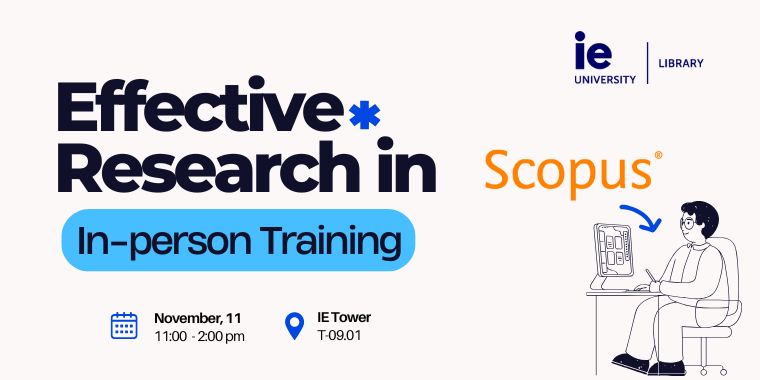
Exploring SCOPUS: Tools and Techniques for Effective Research
This session provides an introduction to Scopus, one of the leading research databases. Participants will learn about its main functions, coverage, and benefits for academic research. The workshop includes practical guidance on navigating the platform, performing basic and advanced searches, and analyzing results and metrics. Attendees will also explore additional tools such as author tracking, saved searches, alerts, and integration with reference managers. The session concludes with a discussion, Q&A, and recommendations for further learning.
- Welcome and Session Objectives
- Introduction of the facilitator
- Goals and expectations
- Brief overview of what Scopus is and its importance in research
- What is Scopus and Its Main Functions?
- General description
- Types of content indexed
- Subject areas and coverage
- Benefits of using Scopus
- Basic Navigation and Advanced Search
- How to access Scopus
- Simple keyword search
- Using filters and refining results
- Advanced search techniques:
- Boolean operators
- Using phrases and filters by author, institution, source, date
- Quick practical activity: perform searches and refine results
- Results Analysis and Metrics
- How to interpret key metrics
- Citation reports and author analysis
- Exporting results and citations
- Additional Resources and Features
- Saving searches and creating alerts
- Tracking authors and institutions
- Using author profiles and institutional analysis
- Integration with reference managers and other platforms
- Questions, Discussion, and Wrap-Up
- Address specific questions
- Recommendations for further resources
- Quick feedback on the session
November 11th from 11:00 am to 2:00 pm.
Please register using your institutional email and bring your laptop. A certificate of attendance will be provided.
Register here